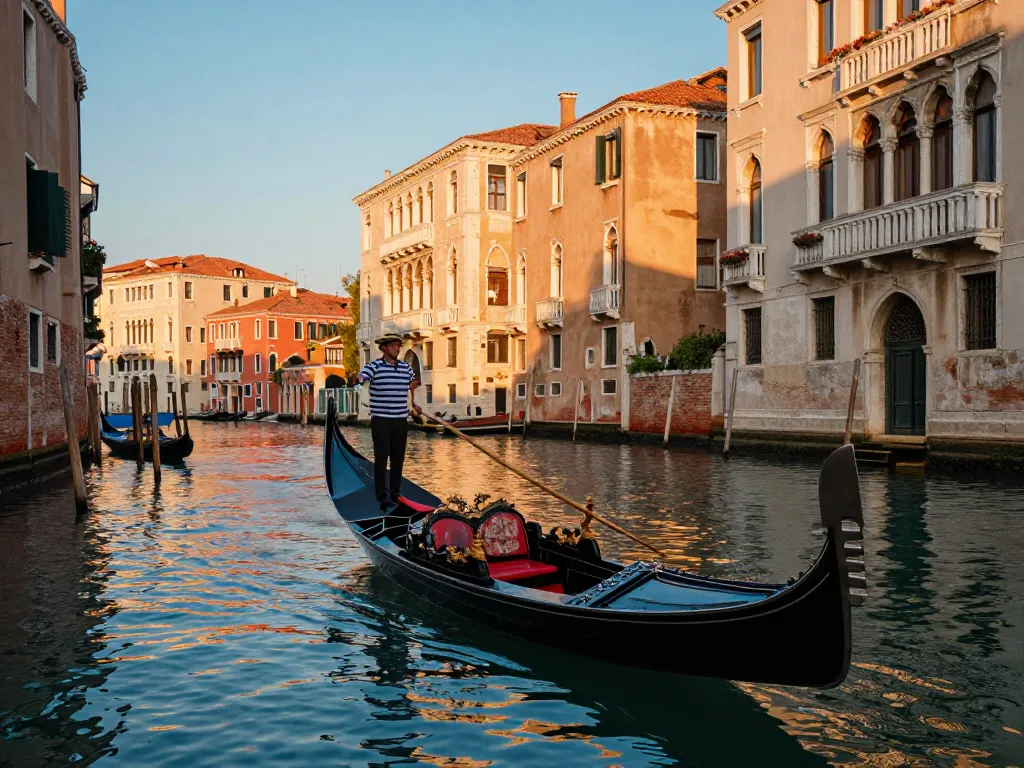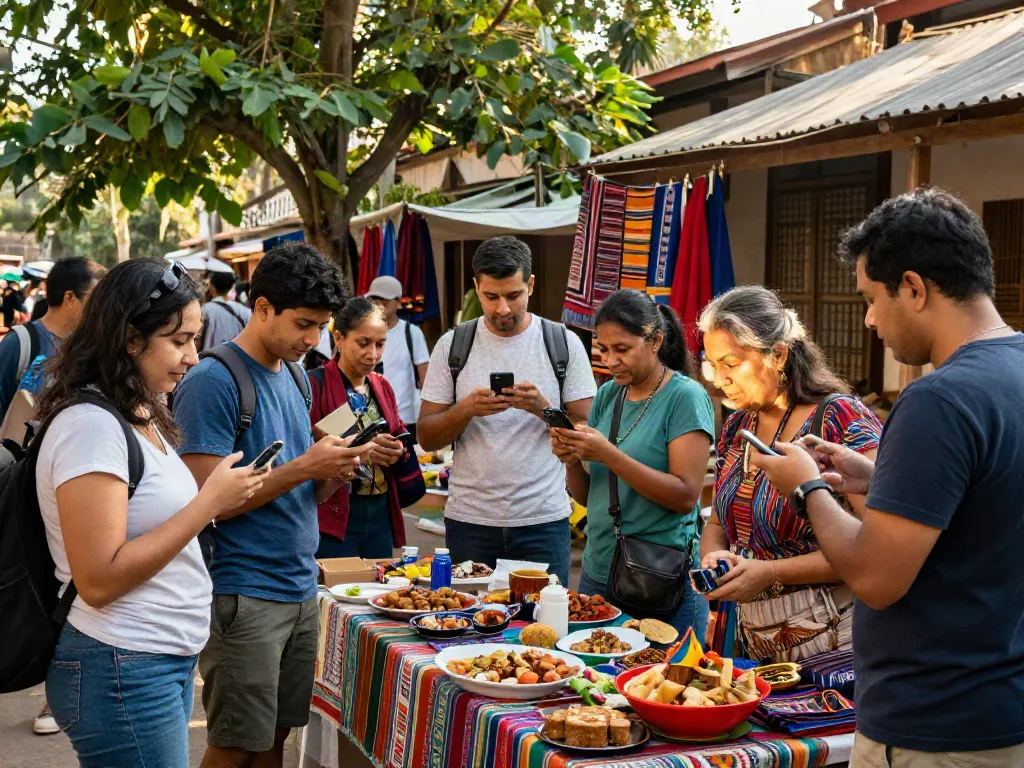
Understanding the Essence of Cultural Tourism
Cultural tourism is more than just a trend; it’s a profound way of connecting with the rich tapestry of human experiences across the globe. This form of travel focuses on immersing oneself in the customs, traditions, and daily lives of local communities. With the rise of globalization, cultural tourism has become a vital way for travelers to explore the unique identities of various destinations while fostering understanding and appreciation for diverse cultures. rokok88 exemplifies how integrating cultural elements into your travel itinerary can enhance your overall experience.
What is Cultural Tourism?
Cultural tourism encompasses travel for the purpose of exploring the artistic, historical, and sociocultural aspects of a destination. This often includes visiting museums, historical sites, engaging in local festivities, and experiencing traditional cuisine. Unlike standard leisure travel, cultural tourism invites travelers to delve deeper into the essence of a place, promoting a richer understanding of its heritage.
Why Cultural Experiences Matter in Travel
Engaging with local cultures can significantly enrich one’s travel experience. It fosters empathy, enhances personal growth, and often leads to authentic connections with local people. These interactions can help debunk stereotypes and encourage the appreciation of diversity. Furthermore, cultural experiences often provide economic benefits to local communities, supporting artisans and local businesses.
Key Trends Shaping Cultural Tourism in 2026
- Sustainable Tourism: Increasingly, travelers are seeking eco-friendly and socially responsible options. This trend encourages destinations to promote their heritage while being mindful of environmental impact.
- Digital Innovations: Technology is revolutionizing the way cultural experiences are accessed. Virtual reality tours, augmented reality apps, and online cultural exchanges are making cultural tourism more accessible than ever.
- Wellness and Self-Care: Cultural tourism is merging with wellness travel as people seek meaningful experiences that also foster health and well-being.
Top Destinations for Immersive Cultural Experiences
Must-Visit Cities for Cultural Enthusiasts
When it comes to cultural tourism, certain cities stand out as beacons of heritage and tradition. Cities like Kyoto, Jaipur, and Florence offer travelers deep insights into their historical narratives and artistic landscapes. Visitors can walk through ancient temples, vibrant markets, and museums that tell the stories of these places, creating unforgettable memories.
Hidden Gems Off the Beaten Path
While major cities offer rich cultural experiences, lesser-known destinations often provide authentic interactions and unique insights. Places like Luang Prabang in Laos or Matera in Italy are examples of hidden gems where tourists can experience local customs without the overwhelming crowds. Engaging with small communities can lead to deeper understanding and appreciation of their way of life.
Understanding Local Festivals and Traditions
Festivals play a crucial role in cultural tourism, showcasing local traditions through vibrant celebrations. Events like the Day of the Dead in Mexico or Diwali in India offer travelers a chance to partake in local customs and enhance their cultural knowledge. These experiences frequently involve music, dance, and food, creating immersive environments that leave a lasting impact.
Essential Tips for Engaging with Local Communities
Building Relationships with Locals: Do's and Don'ts
Creating genuine bonds with local communities can lead to enriching experiences. Do approach people with respect and curiosity, but don’t impose your culture or expectations on them. Understanding social norms and local customs can go a long way in showing appreciation for their way of life.
Respectful Interaction: Cultural Etiquette
Every culture has its own set of etiquettes that define how to interact respectfully. Familiarizing yourself with these norms—be it proper greetings, dining customs, or dress codes—can significantly enhance your experience and foster goodwill between you and the local people.
Choosing Sustainable and Responsible Travel Practices
As a cultural tourist, adopting sustainable practices is crucial. Opt for local guides, stay in eco-friendly accommodations, and support local artisans by purchasing handmade products. This not only benefits the local economy but also enriches your travel experience by providing authentic insights into their culture.
Challenges in Cultural Tourism and How to Overcome Them
Potential Misunderstandings and Cultural Sensitivity
Cultural tourism can sometimes lead to misunderstandings due to differing cultural norms. It’s essential to educate oneself about the local culture beforehand to avoid unintentional disrespect. Engaging in open communication can also help bridge gaps and foster understanding.
Managing Expectations When Engaging with Different Cultures
Travelers should approach cultural encounters with an open mind and realistic expectations. Be prepared for differences and embrace the opportunities for growth that come with them. Understanding that cultural norms can vary greatly will aid in enjoying a more fulfilling experience.
Practical Solutions for Cultural Tourism Challenges
To mitigate challenges, consider preparing a list of questions before engaging with locals. Opt for guided tours run by locals who can provide insights into their culture. Additionally, learning a few basic phrases in the local language can show respect and pave the way for better interactions.
Future Trends: The Evolution of Cultural Tourism Beyond 2026
The Role of Technology in Cultural Exploration
As technology continues to evolve, its role in cultural tourism will become more pronounced. Innovations such as AI-driven personalized travel experiences and virtual cultural exchanges will bridge geographical gaps, making cultural exploration more accessible.
Emerging Markets and New Cultural Hotspots
Emerging markets like Southeast Asia and parts of Africa are becoming new cultural hotspots. As global interest grows, these regions will provide fresh opportunities for culturally curious travelers, offering rich traditions and experiences that are yet to be widely explored.
Preparing for the Future: Adapting Your Travel Style
Travelers should remain adaptable, embracing new ways to experience culture as they arise. This could mean prioritizing meaningful interactions over checklist sightseeing or exploring new destinations that are gaining cultural recognition.
What are the most popular cultural travel destinations?
Some of the most sought-after cultural travel destinations include cities like Paris, Rome, and Istanbul, which are renowned for their historical significance and vibrant artistic expressions.
How can I respectfully engage with local cultures?
Respectful engagement involves understanding local customs, being open to learning, and showing appreciation for cultural differences.
What are the benefits of cultural tourism?
Cultural tourism provides a greater understanding of global cultures, supports local economies, and fosters individual growth through new experiences.
What challenges might I face in cultural tourism?
Challenges can include cultural misunderstandings, language barriers, and differing social norms that may impact interactions.
What trends should I watch in cultural tourism for 2026?
Keep an eye on sustainable practices, the integration of technology, and emerging cultural destinations that offer unique experiences.